
Transform Your Body with Daily Stretches
Discover evidence-based stretching techniques that improve mobility, reduce tension, and enhance your overall movement quality. Your journey to better flexibility and healthier movement starts here.
Why Daily Stretching Matters

Unlock Your Body's Full Potential
Regular stretching is far more than simple flexibility improvement. It forms a cornerstone of evidence-based physical therapy and movement rehabilitation. When you commit to daily stretching, you're actively supporting your body's biomechanics of movement, enhancing joint mobility, and building a foundation for long-term wellness.
Our evidence-based approach recognises that every body is unique. That's why we emphasise a personalised approach to stretching and therapeutic exercises. Whether you're recovering from injury, managing daily tension, or simply seeking to improve your movement quality, structured stretching protocols offer measurable benefits without requiring invasive procedures or complicated equipment.
Enhanced Joint Mobility
Improve your range of motion and movement quality through guided, safe stretching protocols.
Muscle Tension Relief
Address muscle spasm relief and reduce chronic tension through evidence-based therapeutic exercises.
Discomfort Reduction
Support your body's natural pain relief mechanisms through consistent, qualified movement adaptation.
Improved Balance & Coordination
Strengthen your proprioception and core stability through kinesiotherapy and remedial gymnastics.
Core Features of Our Approach
Evidence-Based Medicine
Every stretching protocol we recommend is grounded in scientific research and clinical evidence. Our content reflects the latest findings in physical therapy and movement science, ensuring you receive reliable guidance based on proven methodologies.
Personalised Approach
We understand that a one-size-fits-all method doesn't work for movement rehabilitation. Our individual programmes are tailored to your specific needs, considering your body composition, injury history, and lifestyle. This customisation ensures you get the stretches that matter most for your goals.
Safe Movement Practices
Safety is paramount in all our recommendations. We focus on guided movement that respects your body's limits and supports safe recovery. Every stretch comes with detailed form cues and contraindication guidance to help you move confidently and prevent injury.
Movement Biomechanics Expertise
Understanding how your body moves is essential for effective stretching. We explore the biomechanics of movement in detail, helping you grasp why certain stretches benefit your unique musculoskeletal structure and how proper alignment enhances results.
Expert Guidance & Support
Our content is developed by qualified specialists with extensive experience in physical therapy and kinesiotherapy. We provide comprehensive guidance that empowers you to understand your movement patterns and make informed decisions about your health.
Progressive Improvement Protocols
We believe in sustainable, long-term enhancement rather than quick fixes. Our stretching progressions build gradually, allowing your flexibility, strength, and coordination to improve steadily whilst supporting your body's natural adaptation processes.
Stretching for Every Movement Goal
Flexibility & Range of Motion
Expanding your joint mobility is foundational to functional movement. Our flexibility protocols use dynamic stretching and sustained holds to gradually increase your range of motion across major joints. This supports healthier posture, reduces injury risk, and enables you to move more naturally throughout your day.
- Hip and shoulder mobility improvements
- Spinal flexibility enhancement
- Ankle and wrist mobility support
Tension Relief & Recovery
Chronic tension and muscle spasms often develop from repetitive activities, stress, and poor movement patterns. Our tension-relief stretching protocols use targeted therapeutic exercises to release tight muscles, restore normal muscle tone, and support the body's natural recovery processes. This is essential kinesiotherapy for modern living.
- Neck and shoulder relief techniques
- Lower back discomfort reduction
- Post-activity recovery support
Posture & Balance Support
Healthy posture depends on both flexibility and strength across your entire kinetic chain. Our comprehensive approach combines stretching with movement awareness to help you maintain optimal spinal alignment and improve proprioception. Better posture naturally reduces stress on joints and supports long-term movement quality.
- Postural muscle activation
- Core strengthening integration
- Balance and coordination drills
Prevention & Adaptation
The best treatment is prevention. Our evidence-based stretching and movement protocols help you maintain healthy mobility, prevent injury patterns from developing, and support your body's natural adaptation to new activities. This proactive approach to rehabilitation protects your long-term movement potential.
- Injury risk assessment tools
- Movement adaptation strategies
- Sport and activity-specific protocols
Your 7-Day Introduction to Daily Stretching
Day 1 – Assessment & Awareness
Begin by understanding your current movement baseline. Perform a simple physical assessment of your flexibility, noting areas of tightness or restricted motion. This establishes your starting point and helps you appreciate improvements as they develop. Document how your body feels during rest, walking, and sitting.
Days 2–3 – Foundation Stretching Routine
Introduce basic joint gymnastics targeting major muscle groups: hamstrings, hip flexors, chest, shoulders, and lower back. Spend 15–20 minutes daily on guided movement sequences. Focus on proper form and breathing rather than pushing into discomfort. These foundational therapeutic exercises build the kinetic awareness you'll need for more advanced work.
Days 4–5 – Tension Release & Mobility Work
Progress to targeted tension-relief sequences designed to address your specific tight areas. Incorporate longer holds (30–45 seconds) and dynamic movement patterns that increase joint mobility. Notice how your body responds to consistent stretching and begin adapting your routine based on where you feel the most benefit.
Day 6 – Integration & Balance Work
Combine your stretching with balance and coordination exercises. This moves you toward a more comprehensive approach to movement quality. Include proprioceptive drills that strengthen your body's awareness in space. These remedial gymnastics techniques enhance the benefits of your flexibility work and support core strengthening.
Day 7 – Assessment & Customisation
Revisit your initial physical assessment. Compare your current flexibility, ease of movement, and overall comfort with where you started. Identify which stretches provided the most benefit and which areas continue to need attention. Use these insights to build your personalised, sustainable stretching programme that you can maintain long-term.
Comprehensive Stretching Guide
Understanding Stretching Types
Different stretching methods serve different purposes in your rehabilitation and movement improvement journey. Our comprehensive approach integrates multiple techniques to maximise your results whilst ensuring safe, evidence-based practice.
Static Stretching
Holding a stretch in a fixed position for 30–60 seconds. Best used after movement or exercise to reduce muscle tension and improve flexibility long-term.
Dynamic Stretching
Controlled movement through your available range of motion. Ideal for warm-up routines and preparing your body for activity whilst improving mobility.
PNF Stretching
Proprioceptive Neuromuscular Facilitation uses muscle contraction and release to achieve deeper flexibility improvements. Advanced technique for serious mobility gains.
Active Isolated Stretching
Short, targeted holds (2–3 seconds) repeated multiple times. Excellent for recovery and maintaining flexibility without fatigue.
Expert Tip: Breathing During Stretching
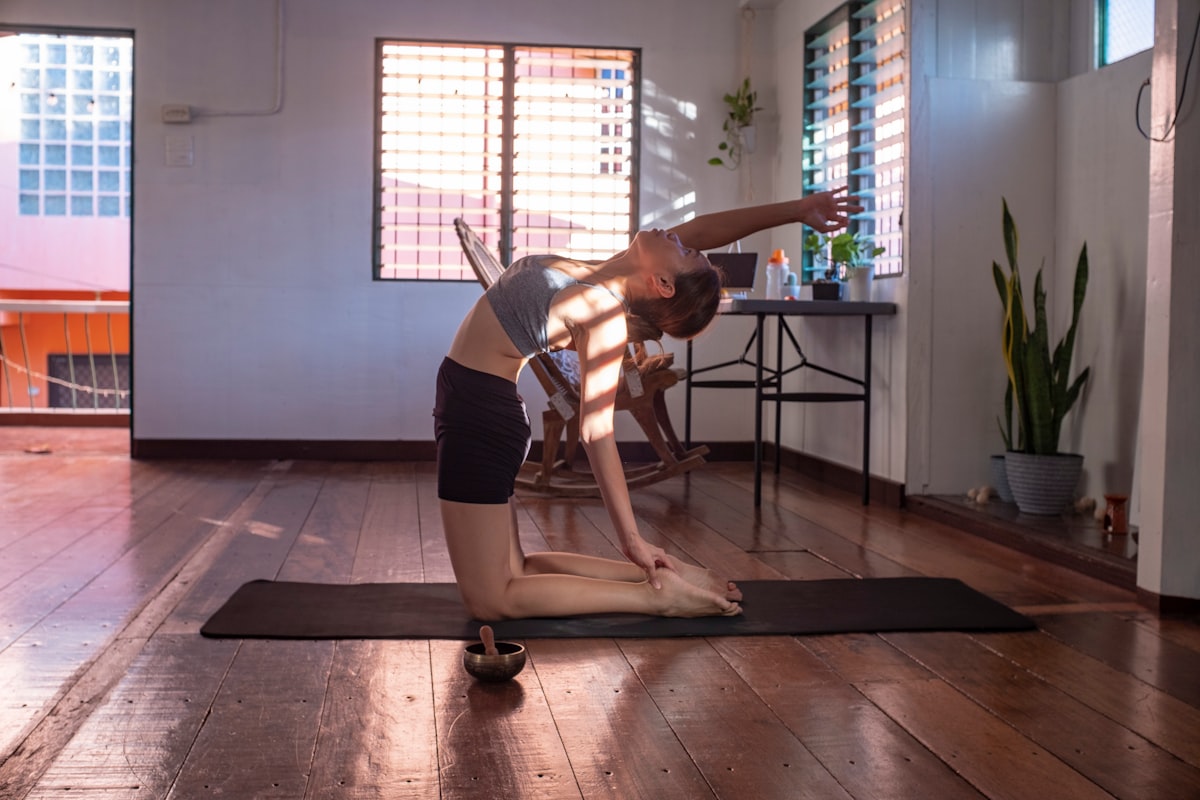
Proper breathing is essential to safe, effective stretching. Always breathe slowly and deeply during holds—never hold your breath. Exhale into the stretch, allowing your muscles to relax further. This activates your parasympathetic nervous system, supporting your body's natural relaxation response and enhancing the benefits of therapeutic exercises.
Proper Form & Safety Essentials
Do's: Safe Movement Practices
- • Warm up for 5–10 minutes before stretching
- • Move slowly and deliberately into each stretch
- • Maintain stable, neutral spine alignment
- • Stretch within a comfortable range—never force
- • Hold stretches for 30–60 seconds
- • Breathe continuously and deeply
- • Stretch 5–7 days per week for best results
Don'ts: Common Mistakes to Avoid
- • Never bounce or use ballistic movements
- • Don't stretch through sharp, shooting pain
- • Avoid stretching cold, unwarmed muscles
- • Don't hold your breath during stretches
- • Never force range of motion beyond comfort
- • Don't neglect both sides of your body equally
- • Avoid isolated stretching without movement context
Common Questions About Daily Stretching
Most people notice initial improvements in range of motion within 2–3 weeks of consistent daily stretching. However, significant flexibility gains typically develop over 6–8 weeks as your neuromuscular system adapts to improved joint mobility. The key is consistency—daily practice produces better results than occasional longer sessions. Remember that progression is gradual and individual; everyone's body adapts at its own pace based on their starting point and genetic factors.
The timing of stretching depends on its purpose. Dynamic stretching and guided movement work best as a warm-up before activity, preparing your joints and muscles for the demands ahead. Static stretching (longer holds) is most effective after exercise when your muscles are warm and more receptive to lengthening. Post-activity stretching also supports recovery by releasing tension and promoting blood flow. A comprehensive movement routine includes both pre-activity dynamic work and post-activity static stretching.
Yes, evidence-based therapeutic stretching can support discomfort reduction and pain relief for many movement-related issues. Stretching addresses muscle tension, improves joint mobility, and supports healthy movement patterns—all key factors in managing chronic tension and muscle-related discomfort. However, persistent pain should always be assessed by a qualified specialist
The frequency of physiotherapy exercises depends on your specific condition and recovery goals. Generally, most people benefit from 3-5 sessions per week, with consistency being more important than intensity. Your physiotherapist will create a personalized program tailored to your needs and progressively adjust it as you improve. Regular, moderate activity combined with proper rest supports optimal recovery.
What Our Clients Say
Real stories from people who've transformed their health with Physiotherapy Life Hub
"After months of back pain, the personalized treatment plan from Physiotherapy Life Hub changed my life. I'm pain-free and more active than ever!"
Sarah Mitchell
Marketing Manager
"The therapists are incredibly knowledgeable and genuinely care about their clients. Highly recommend for anyone dealing with sports injuries!"
James Rodriguez
Professional Athlete
"After my shoulder injury, I was worried about recovery. The progressive rehabilitation program worked perfectly. I'm back to normal activities!"
Emma Thompson
Graphic Designer
Ready to Transform Your Health?
Join thousands of people who've discovered pain relief, improved mobility, and better quality of life with expert physiotherapy guidance.
First consultation is always complimentary. No commitment required.